History of Turweston
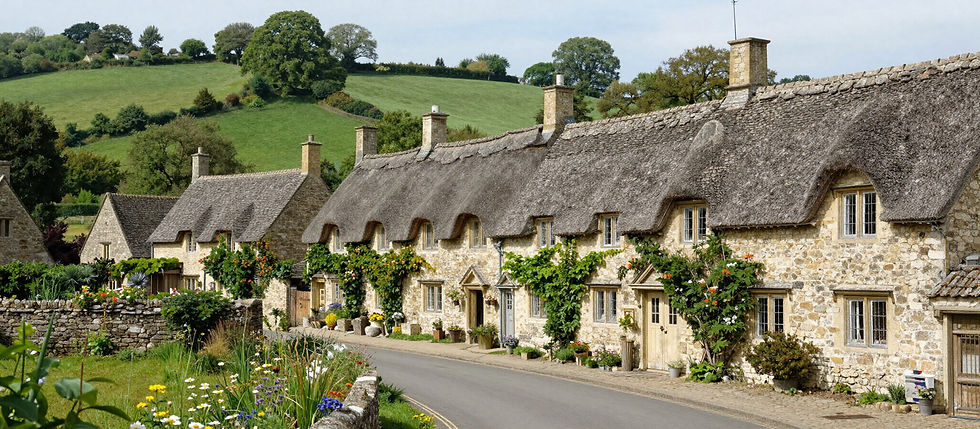
The history of Turweston is woven into the very landscape of the Great Ouse valley. Early records suggest a settlement of significant antiquity, with the village name originating from Saxon origins from the Old English for "Þorfrøthr's village". Throughout the centuries, Turweston developed as a quintessential agricultural community, managed by various noble estates that shaped its architectural and social foundations. By the time of the Domesday Book, the village was already a recognised part of the regional governance, contributing to the rich tapestry of Buckinghamshire's heritage. The layout of the village today still echoes ancient field patterns and pathways, preserving the whisper of generations past who tilled this soil long before the modern era. A historic village and civil parish in north Buckinghamshire, situated on the border with Northamptonshire. Its history spans from Saxon origins to its modern role as a prominent general aviation hub.
Manorial Ownership
Westminster Abbey: In 1292, King Edward I bestowed the manor on Westminster Abbey to commemorate the anniversary of Queen Eleanor.
The Abbey (and later the Dean and Chapter of Westminster) retained the manor for centuries, including after the Dissolution of the Monasteries in the 1530s.The Stratton Family: From the mid-19th century until at least the 1920s, the manor was leased by the Stratton family. The local public house, the Stratton Arms, is named after them.
Key Historic Buildings
Church of the Assumption of the Blessed Virgin Mary: This Grade II* listed building contains Norman elements dating back to roughly 1190. The chancel and south aisle were added in the 13th century, and it underwent significant restoration in 1863 by architect G.E. Street.
Turweston Manor House: Built in 1630 and later enlarged in 1910, the house features original 17th-century oak panelling and fireplaces.
Turweston House: A Georgian country house from the early 18th century that overlooks the parish church.
Turweston Mill: Historical documents record a watermill as early as the medieval period, possibly on the site of one mentioned in the Domesday Book.
Modern Transport and Aviation
Railways: In the late 19th century, both the Buckinghamshire Railway (1850) and the Great Central Main Line (1899) were built through the parish. Both lines were closed in the 1960s. More recently, the village has been impacted by the path of High Speed 2 (HS2).Turweston Airfield: Opened in 1942 as RAF Turweston, it served as a bomber training facility during World War II. After a period of military storage, it reopened in 1994 as a civilian aerodrome and business park. It is now a popular destination for private pilots and hosts events like the "Wings & Wheels" show.

The Village Hall Story
The history of Turweston Village Hall is a testament to the enduring spirit of our community. Since its inception as a registered charity on December 29, 1930, the hall has stood as a beacon of local gathering and celebration. Originally founded to provide a space for the leisure and welfare of the villagers, it has evolved through decades of change, witness to countless weddings, town meetings, and festive celebrations.
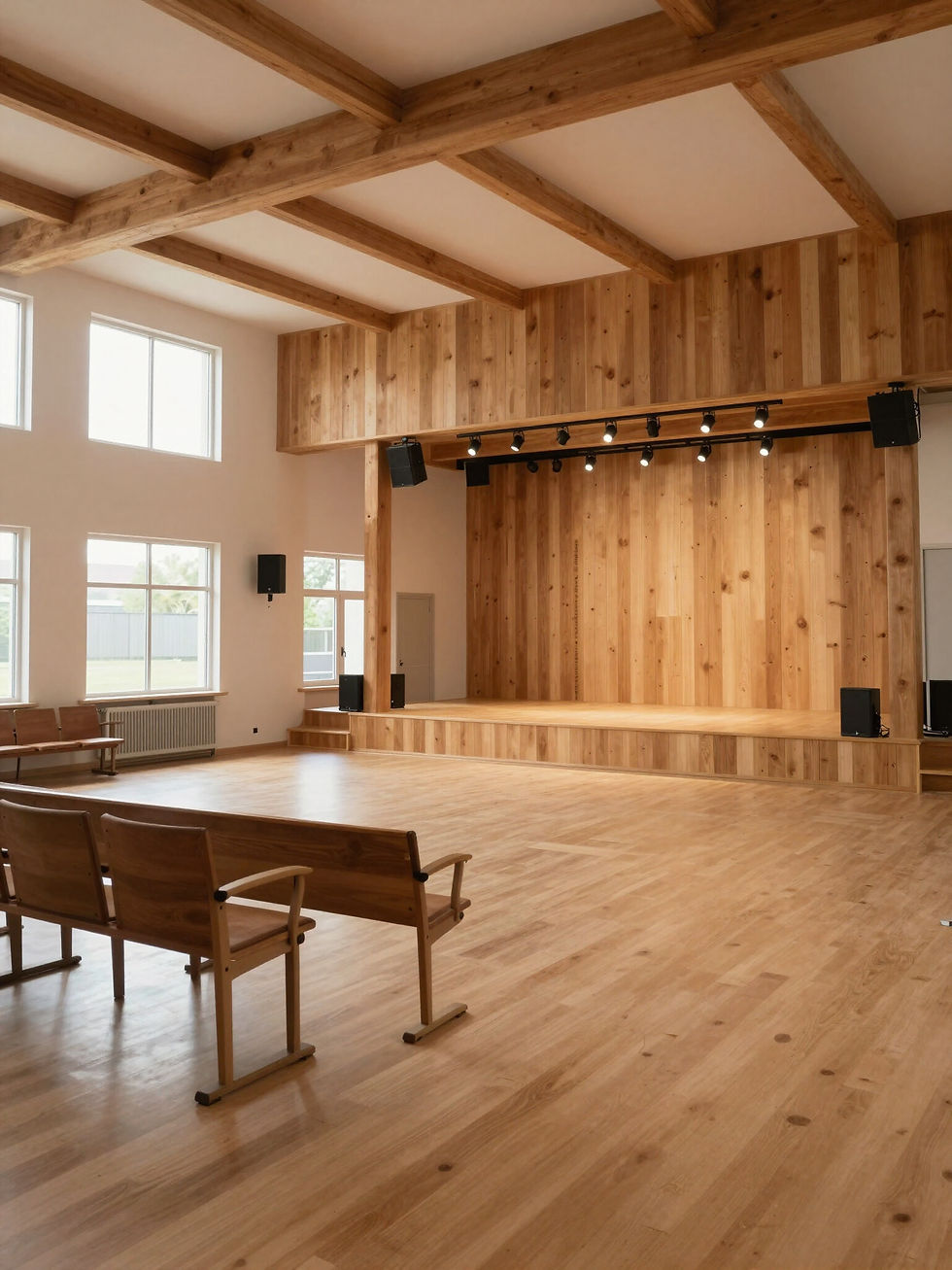
The building itself, located on the historic Main Street, has recently undergone a transformative refurbishment, reopening in 2023 with modern facilities that honor its heritage while serving contemporary needs. Today, it remains the thriving heart of Turweston, supported by the dedicated efforts of local volunteers and the Turweston Village Hall Charity (Charity No. 300341). Our mission continues: to provide a versatile and welcoming environment for all who visit.
The Next Century of Community
As we look toward the future, Turweston Village Hall remains dedicated to its founding mission: serving as a beacon of community spirit and heritage. Your support ensures this historic space continues to evolve, welcoming new generations to share in the stories and celebrations that define our village life.